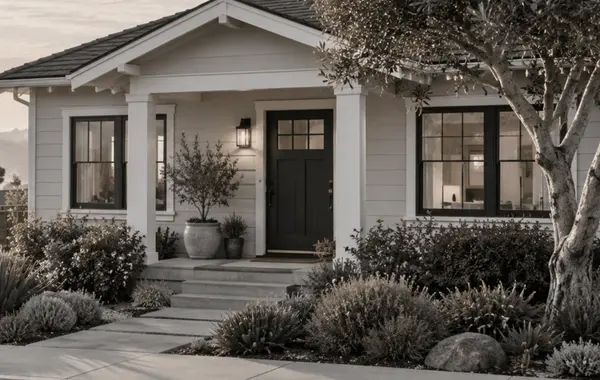
Retiring on California's Central Coast: A Guide to Downsizing and Finding Your Next Home
Retiring on California's Central Coast: A Guide to Downsizing and Finding Your Next Home
Imagine waking up to the gentle coastal breeze, enjoying your morning coffee in a peaceful neighborhood, and spending your afternoons exploring scenic trails, charming downtown streets, or the beautiful California coastline.
For many homeowners approaching retirement, this isn't just a vacation dream. It's a vision for the next chapter of life.
California's Central Coast offers a remarkable combination of natural beauty, distinctive communities, outdoor recreation, and diverse housing options. Whether you're considering a smaller home, relocating closer to the ocean, or simply looking for a property that better suits your changing lifestyle, there's plenty to explore.
But making the transition into retirement involves more than finding a beautiful location.
It's about choosing a home that supports your comfort, financial goals, everyday activities, and long-term plans.
As a fifth-generation Central Coast local with more than 25 years of real estate experience, I understand how important it is to approach this decision thoughtfully.
In this guide, we'll explore what makes the Central Coast appealing for retirement, which communities are worth considering, and how to find a home that truly fits your next chapter.
Why Consider Retiring on California's Central Coast?
There's something special about living in a place where natural beauty and community character come together.
California's Central Coast stretches across an incredible variety of landscapes, from Pacific Ocean shorelines to rolling hills, vineyards, and historic towns.
For homeowners thinking about retirement, this diversity creates opportunities to explore different lifestyles without necessarily leaving the region.
A Lifestyle Connected to Nature
One of the region's greatest attractions is its access to the outdoors.
Depending on where you settle, everyday activities might include:
-
Taking morning walks along coastal pathways.
-
Exploring scenic parks and nature trails.
-
Enjoying afternoons at nearby beaches.
-
Visiting farmers markets and locally owned shops.
-
Playing golf or spending time in outdoor recreation areas.
-
Discovering local restaurants, wineries, and cultural attractions.
The ability to enjoy these experiences throughout the year is an appealing part of Central Coast living.
Of course, the climate and outdoor conditions vary between coastal and inland communities. Finding the environment you prefer is an important part of choosing the right location.
Communities With Distinct Personalities
Retirement means different things to different people.
Some homeowners look forward to a quiet coastal neighborhood, while others prefer living near restaurants, shopping, recreational facilities, or cultural activities.
The Central Coast offers communities with a range of residential environments and housing options.
Rather than choosing a location based on its reputation alone, I encourage buyers to explore how each community fits their own daily routine.
Opportunities to Simplify Your Lifestyle
For some homeowners, retirement is the perfect time to reconsider how much space they really need.
A property that once accommodated a busy household may now require more maintenance than you'd prefer.
Moving into a smaller or more manageable home can offer an opportunity to rethink your priorities and create a living environment better suited to your current goals.
Exploring Central Coast Communities for Your Next Chapter
One of the most valuable parts of my work is helping buyers discover the differences between communities across the region.
If you're considering retiring or downsizing on California's Central Coast, here are several locations worth exploring.
1. Arroyo Grande: Historic Charm and Everyday Convenience
Arroyo Grande offers a wonderful combination of established neighborhoods, local character, and convenient access to surrounding communities.
Its historic Village is known for its inviting atmosphere, independent businesses, and restaurants.
Buyers can explore a variety of residential settings, including traditional single-family homes and properties with different maintenance requirements.
For homeowners who appreciate a welcoming community environment and access to nearby coastal destinations, Arroyo Grande is worth considering.
2. San Luis Obispo: Culture, Recreation, and Convenience
San Luis Obispo brings together historic architecture, a lively downtown, restaurants, shopping, and opportunities for outdoor recreation.
For retirees who enjoy staying active and connected to community activities, its range of amenities may be particularly appealing.
Residential options vary throughout the city, making it useful to compare home styles, neighborhood layouts, and proximity to the services that matter most.
If you prefer a location where shopping, dining, recreation, and other conveniences can be part of your regular routine, San Luis Obispo deserves a closer look.
3. Morro Bay: Coastal Living With Distinctive Character
With its iconic Morro Rock, working harbor, and beautiful ocean scenery, Morro Bay offers a memorable coastal setting.
Residents and visitors can enjoy waterfront walks, local restaurants, and nearby natural attractions.
For homeowners who have always imagined living near the Pacific, Morro Bay presents an interesting opportunity to explore coastal property options.
However, purchasing near the ocean requires thoughtful planning.
Coastal exposure, maintenance requirements, property condition, and insurance availability should all be considered before making a decision.
The goal is to enjoy the coastal lifestyle while choosing a home that remains practical for your needs.
4. Atascadero: A Scenic Inland Alternative
Not every Central Coast retirement dream involves living directly by the beach.
Atascadero offers a beautiful inland environment with rolling landscapes, established residential neighborhoods, and access to regional amenities.
Depending on the property, buyers may discover homes with different lot sizes, layouts, and outdoor spaces.
Atascadero can be especially interesting for those who appreciate an inland setting while remaining connected to nearby Central Coast destinations.
When exploring homes here, consider factors such as summer temperatures, property maintenance, insurance, and proximity to your preferred services.
5. Cambria: Distinctive Coastal Atmosphere
Cambria is known for its picturesque coastal surroundings, distinctive village atmosphere, and access to scenic destinations along Highway 1.
For buyers drawn to a smaller coastal community setting, Cambria provides a different experience from larger Central Coast cities.
Homes vary in architectural style, configuration, and proximity to the coastline.
When exploring the area, it's important to consider practical matters such as access to services, property conditions, local development restrictions, and ongoing ownership costs.
A beautiful setting is important, but so is ensuring that the property supports your lifestyle comfortably.
6. Nipomo and Santa Maria: Additional Housing Possibilities
Nipomo and Santa Maria expand the range of options available to buyers exploring the broader Central Coast.
Nipomo offers a variety of residential environments, while Santa Maria provides access to established neighborhoods, shopping, and other everyday amenities.
Both communities are worth including when comparing different property styles, lot sizes, and monthly ownership costs.
For homeowners seeking to downsize, exploring multiple areas can help identify a home that offers the right balance of space, convenience, and financial practicality.
Is Downsizing the Right Move for You?
Downsizing is often associated with purchasing a smaller property, but the decision is about much more than square footage.
It's about creating a home that works better for the life you want to live.
After years of homeownership, you may find that certain rooms are rarely used, outdoor maintenance takes more time than you'd like, or your current home no longer matches your everyday priorities.
Moving into a more manageable property can create opportunities to simplify your responsibilities.
Potential Benefits of Downsizing
Less Maintenance
A smaller home or property with reduced landscaping requirements may mean spending less time on routine upkeep.
A More Practical Floor Plan
A single-story home or a layout with essential living spaces on the main level may be more convenient for your long-term needs.
Financial Flexibility
Depending on your existing property value, replacement home price, financing, and transaction expenses, downsizing may create opportunities to reassess your housing costs and financial priorities.
A Fresh Start
Moving can be an opportunity to choose a neighborhood, layout, and property that better reflect the lifestyle you want today.
However, downsizing doesn't automatically mean lowering your expenses.
A smaller home in a highly desirable coastal location may cost more than a larger property elsewhere.
That's why evaluating the complete financial picture is essential.
What Should You Look for in a Retirement-Friendly Home?
When purchasing a home for your next chapter, it's helpful to think beyond appearance and consider how comfortably the property will function over time.
Here are several features worth evaluating.
Single-Level Living
Homes with bedrooms, bathrooms, kitchens, and other essential living spaces on one level may offer greater everyday convenience.
If you're considering a multi-story property, think carefully about how the layout might suit your needs in the future.
Manageable Outdoor Space
A beautiful backyard can be enjoyable, but landscaping and maintenance require time and resources.
Consider whether you'd prefer a larger outdoor area or a simpler space that offers relaxation without extensive upkeep.
Comfortable and Functional Layouts
Wide pathways, convenient storage, accessible entryways, and practical bathroom configurations can contribute to a more comfortable living environment.
Even if these details aren't priorities today, considering them early may help you make a more flexible long-term decision.
Proximity to Everyday Services
Think about your preferred grocery stores, healthcare providers, recreational activities, and other important services.
A home that offers convenient access to the places you visit regularly may simplify your daily routine.
Long-Term Ownership Costs
Property taxes, insurance, utilities, HOA fees, and maintenance all deserve attention.
Understanding these expenses before purchasing can help you determine whether a property fits comfortably within your financial plans.
Should You Consider a 55+ Community?
Some buyers exploring retirement housing are interested in age-restricted or active-adult communities.
These developments may offer particular amenities, housing designs, or maintenance arrangements that appeal to buyers seeking a different ownership experience.
Depending on the community, features may include shared recreational spaces, organized activities, or association-managed services.
However, every development operates differently.
Before purchasing, review the community's governing documents, eligibility requirements, HOA fees, financial condition, amenities, and property restrictions.
It's also important to understand that you don't need to purchase within a designated 55+ community to find a home that works well for retirement.
A traditional residential neighborhood may be equally suitable depending on your preferences.
The best choice is the one that supports your individual lifestyle and financial goals.
Understanding California Proposition 19 When Downsizing
For California homeowners aged 55 and older, property taxes can be an important part of the downsizing conversation.
One provision worth exploring is California's Proposition 19.
Under qualifying circumstances, Proposition 19 allows homeowners who are at least 55 years old when they sell their original principal residence to transfer its property tax base-year value to a replacement principal residence elsewhere in California.
The replacement residence generally must be purchased or newly constructed within two years before or after the sale of the original residence.
If the replacement property exceeds applicable value thresholds, an adjustment to the transferred taxable value may apply.
Additional eligibility requirements and claim procedures must also be satisfied.
This provision may be particularly relevant to longtime homeowners who are considering selling one California property and purchasing another.
However, tax situations vary significantly, and it's important to consult a qualified tax professional or your county assessor before relying on a potential benefit.
For official information, visit the California State Board of Equalization's Proposition 19 resource.
How to Prepare for a Successful Downsizing Move
Moving after many years in one home can be both exciting and emotional.
A thoughtful plan can make the transition more manageable.
Step 1: Determine Your Current Home's Market Value
Understanding your property's current market position is an important starting point.
A comparative market analysis can help you review relevant local sales and develop a pricing strategy based on current market conditions.
Step 2: Establish Your Next Home's Budget
Consider your estimated sale proceeds, existing mortgage obligations, transaction costs, financing needs, taxes, and anticipated purchase expenses.
Working with qualified financial and tax professionals can help you understand how the move may affect your overall plans.
Step 3: Identify Your Lifestyle Priorities
Before searching for properties, think about what you'd like to change.
Would you prefer less maintenance? A different floor plan? Greater proximity to the coastline? More convenient access to shopping or recreational activities?
Having clear priorities makes the home search more productive.
Step 4: Explore Different Communities
Take time to visit locations that interest you.
Explore neighborhoods, observe traffic patterns, review local amenities, and consider how each area fits your preferred routine.
Step 5: Create a Realistic Moving Timeline
Selling an existing home while purchasing another involves several moving parts.
The best sequence depends on your financial circumstances, available housing options, and contractual requirements.
Planning ahead can help reduce unnecessary pressure during the transition.
Common Mistakes to Avoid When Downsizing for Retirement
A successful move requires careful consideration.
Here are several potential mistakes I encourage homeowners to avoid.
Assuming a Smaller Home Will Always Cost Less
Purchase prices, property taxes, HOA fees, and maintenance expenses can vary considerably.
Choosing a Location Based Only on Vacation Experiences
A community you enjoy visiting may feel different when it becomes your everyday home.
Overlooking Accessibility and Layout
Consider how the property's design may fit both your current and future preferences.
Underestimating Moving Expenses
Selling, purchasing, packing, transportation, and potential renovations should all be part of your financial planning.
Rushing the Decision
Take time to evaluate your options and understand the details before committing to a property.
Retirement represents an important life transition. Your real estate decisions deserve the same thoughtful attention you've given to the rest of your plans.
Frequently Asked Questions About Retiring on California's Central Coast
Is California's Central Coast a good place to retire?
The Central Coast offers beautiful scenery, outdoor recreation, distinctive communities, and different residential environments. Whether it's right for you depends on your housing budget, desired lifestyle, healthcare access, family connections, and personal priorities.
Which Central Coast communities should retirees consider?
Arroyo Grande, San Luis Obispo, Morro Bay, Atascadero, Cambria, Nipomo, and Santa Maria are all worth exploring. Each offers a different combination of housing options, services, surroundings, and lifestyle opportunities.
Is it better to downsize before or after retirement?
The ideal timing depends on your financial situation, housing needs, and long-term plans. Some homeowners prefer to relocate before retiring, while others wait until they've established a clearer picture of their retirement lifestyle.
Are there homes suitable for buyers aged 55 and older outside age-restricted communities?
Yes. Many traditional residential properties may suit buyers seeking single-level layouts, convenient locations, or manageable maintenance requirements. Age-restricted housing is only one option.
Can I transfer my property tax base when moving within California?
Certain homeowners may qualify for a base-year value transfer under California Proposition 19. Eligibility depends on factors including age or other qualifying circumstances, principal-residence requirements, transaction timing, and applicable rules. Always verify your situation with the county assessor or a qualified tax professional.
Your Next Chapter Deserves the Right Home
Retirement isn't simply about stepping away from one stage of life.
It's about creating space for the experiences, activities, and priorities that matter most to you.
Maybe that means enjoying ocean views, spending more time exploring your community, simplifying household responsibilities, or settling into a property that better supports your lifestyle.
Whatever your vision looks like, finding the right home starts with understanding your goals.
As a fifth-generation Central Coast local with over 25 years of real estate experience, I've developed a deep connection to the communities that make this region so special.
From Arroyo Grande and San Luis Obispo to Atascadero, Morro Bay, Santa Maria, and beyond, I bring local knowledge and personalized guidance to every client relationship.
My goal is to help you explore your options, understand the market, and move forward with confidence.
Whether you're preparing to sell a longtime family home, searching for a more manageable property, or relocating to California's Central Coast for retirement, I'm here to help you navigate the journey.
Thinking about downsizing or finding your next home on California's Central Coast?
Let's start with a conversation about what matters most to you.
Jarrod Westerlund | LPT Realty
Your Trusted Central Coast Real Estate Resource
Phone: (805) 260-0396
Email: jarrod.westerlund@gmail.com
The next chapter of your life deserves a place you'll love calling home.